Eco-Friendly Landscaping Ideas to Elevate Your Garden's Beauty and Health Apr 06, 2026
Start by choosing native plants for your garden. Native plants are adapted to the local climate and soil conditions, which means they require less water and fertilizer. They also tend to be more resistant to local pests and diseases, reducing the need for chemical interventions. Incorporating native plants into your landscape design not only supports local ecosystems but also creates a vibrant and robust garden year-round.
Water conservation is a crucial component of eco-friendly landscaping. Consider installing a rainwater harvesting system to collect runoff from your roof. This water can be reused for irrigation, reducing your reliance on municipal water sources. Additionally, implementing a drip irrigation system can minimize water waste by delivering moisture directly to plant roots, promoting efficient use of water resources.
Composting is another effective method to enhance your garden's health while reducing waste. By converting kitchen waste and garden debris into nutrient-rich compost, you can improve soil structure and provide plants with the nutrients they need to thrive. Compost enriches the soil, enhances moisture retention, and supports the growth of beneficial microorganisms, creating a healthier garden environment.
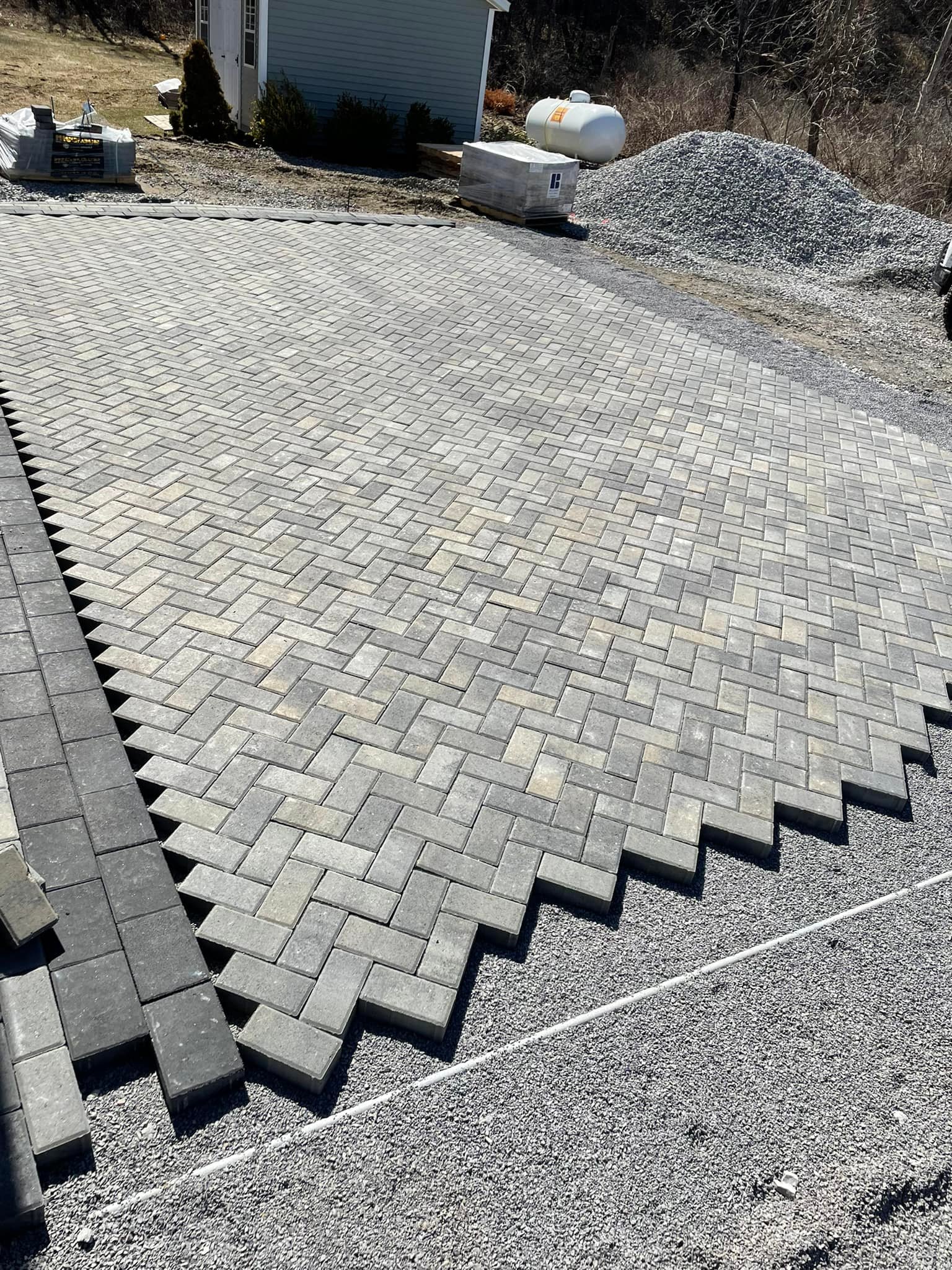
Hardscape elements, when chosen wisely, can also contribute to an eco-friendly landscape. Opt for permeable materials like gravel, brick, and permeable concrete for pathways and patios, which allow rainwater to seep into the ground, replenishing the water table. These materials reduce runoff and erosion, helping to maintain a balanced ecosystem.
Incorporating biodiversity into your landscaping design is another excellent way to promote garden health. Create a variety of habitats by including a range of plant species to attract beneficial insects, birds, and other wildlife. A diverse garden is not only more resilient to pests and diseases but also provides the opportunity for year-round interest with different textures, colors, and wildlife activity.
Mulching is a simple yet powerful practice that benefits both plant health and soil quality. By covering the soil surface with organic mulch, such as wood chips or straw, you can conserve moisture, reduce weed growth, and add organic matter to the soil as it breaks down. Mulch also moderates soil temperature, keeping roots cool in summer and insulated in winter.
Finally, consider incorporating edible plants into your garden. Not only do they contribute to sustainability, but they also provide a direct source of fresh produce. Incorporating fruit trees, vegetable patches, or even herb gardens into your landscape design can offer both ecological and culinary benefits.
In conclusion, eco-friendly landscaping is all about making mindful choices that promote sustainability and enhance the natural beauty of your garden. By selecting native plants, conserving water, composting, utilizing permeable materials, fostering biodiversity, applying mulch, and growing edibles, you can create an environment that supports both your needs and the health of the planet. At DeLorenzo Landscaping, we are dedicated to helping you achieve a garden that is not only beautiful but also environmentally responsible. Embrace these eco-friendly landscaping ideas to elevate your garden's beauty and health today.
/filters:no_upscale()/filters:format(webp)/media/b3ba4320-27f3-4973-b078-d3eb6f7d7313.jpeg)